Claim Your Free Bridesparks Reward Card
info@bridesparks.co.uk

The Legal Side of Getting Married in England
From Engagement to Walking Down the Aisle
Understanding the legal process of getting married in England doesn’t need to feel complicated. Once you know the steps, everything becomes much clearer and far easier to plan around.
In this guide, we will walk you through:
- Who can legally get married in England
- Choosing your ceremony type and venue
- Giving notice of marriage
- What happens at your notice appointment
- The legal waiting period
- What must happen during your ceremony
- Signing the marriage schedule
- What happens after your wedding
Making Your Marriage Legally Recognised
Each stage plays a key role in making your marriage legally recognised, and knowing how they fit together helps you plan your wedding with confidence.

Who Can Legally Get Married in England
Before planning anything, you must meet the legal requirements:
- Both of you must be 18 or over
- You must not already be married or in a civil partnership
- You must not be closely related
If one or both of you are from outside the UK, additional immigration checks may apply, which can affect timelines.
Giving Notice of Marriage
Giving notice is the formal legal declaration that you intend to marry.
You must:
Attend a register office in person
Declare your intention to marry
Provide details of your chosen venue
Key points to understand:
Notice must be given at least 29 days before your ceremony
You must have lived in the registration district for at least 7 days
Your ceremony must take place within 12 months of giving notice
If you live in different areas, you will each give notice separately.
What Happens at Your Notice Appointment
This is a short, formal appointment where your legal details are checked.
You will need to provide:
- Proof of identity (passport or birth certificate)
- Proof of address
- Details of your venue
- Divorce or death certificate (if applicable)
You will sign a legal declaration confirming that the information you provide is true.

The Legal Waiting Period
After giving notice, there is a required waiting period before your wedding can take place.
The standard wait is 29 days
In some cases, this may extend to 70 days due to additional checks
This period allows time for any legal objections to be raised.
What Must Happen During Your Ceremony
For your marriage to be legally recognised, the ceremony must follow specific rules.
You must:
- Be married by a registrar or authorised person
- Have at least two witnesses present
- Say the required legal declarations and vows
If you are having a civil ceremony, it cannot include religious content.
Signing the Marriage Schedule
After your ceremony, the legal paperwork is completed.
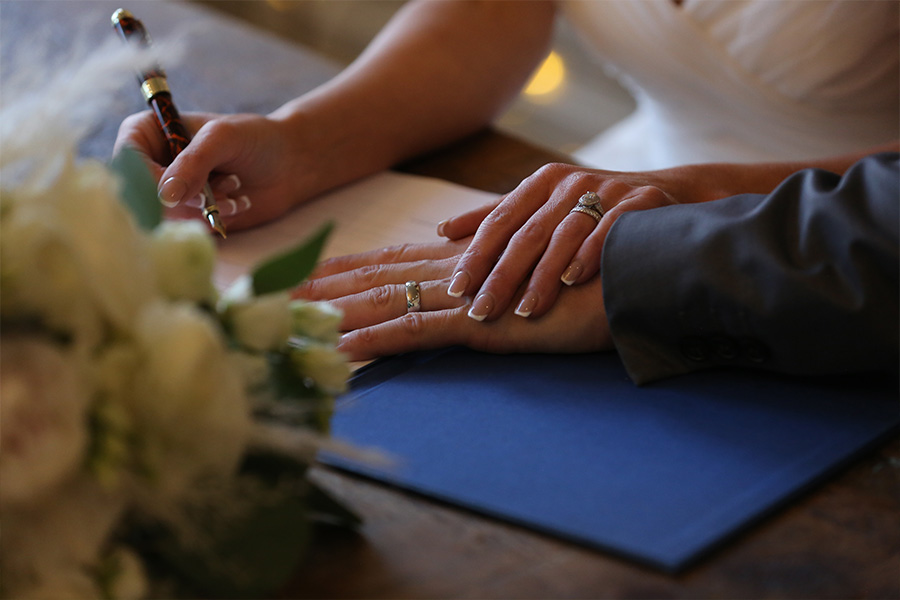
You, your partner, your witnesses and the registrar will sign the marriage schedule.
This is the moment your marriage becomes legally binding.
Frequently Asked Questions About the Legal Wedding Process
Explore Dorset Wedding Venues
Once you have started exploring suppliers across Dorset, you can begin discovering venues that shape the setting and flow of your wedding day. From coastal locations to country houses and outdoor spaces, Dorset offers a wide range of venues to suit different styles and celebrations.


Dorset Photo
Booths

Dorset Wedding
Videographers

Dorset Bridal
Hair Sylist

Dorset Bridal
Makeup Artists

Dorset Wedding
Florists

Dorset Wedding
Magicians

Dorset Wedding
Musicians

Dorset Wedding
Dresses

Dorset Wedding
Transport
Dorset Wedding
Stationary

Dorset Wedding
Venue Stylists
Dorset
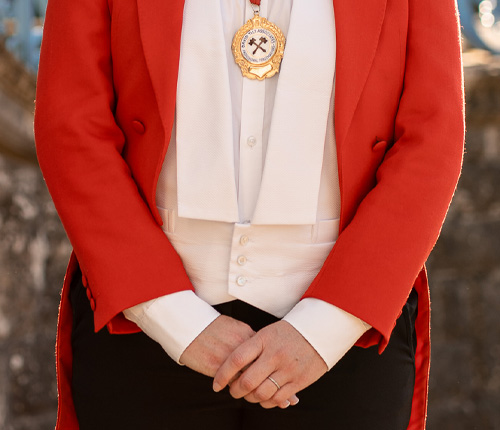
Toastmasters
Dorset Wedding
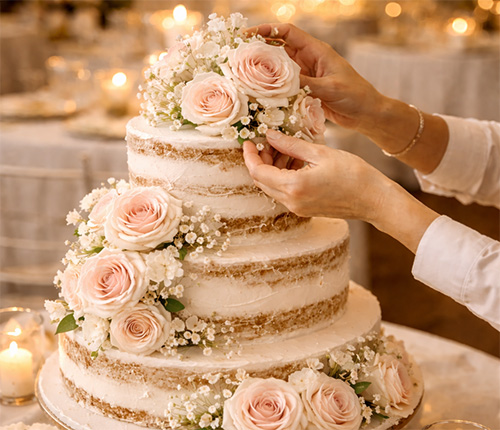
Cakes

Dorset Wedding
Planners